

How Ambient Lighting Shapes Atmosphere and Experience in Modern Cafes and Restaurants
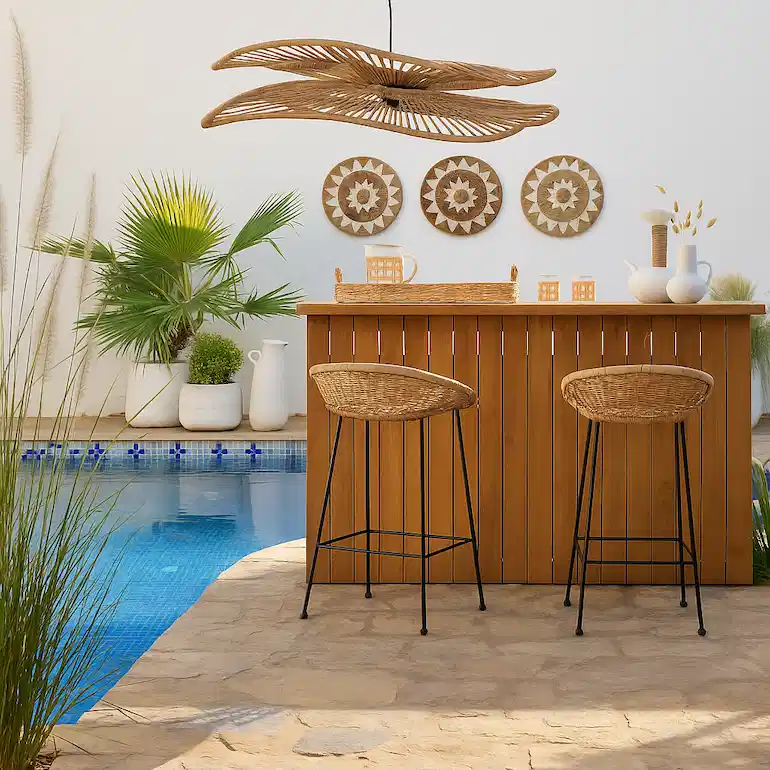
Ambient lighting in cafe interior with warm glow

Rattan pendant light over dining table in restaurant
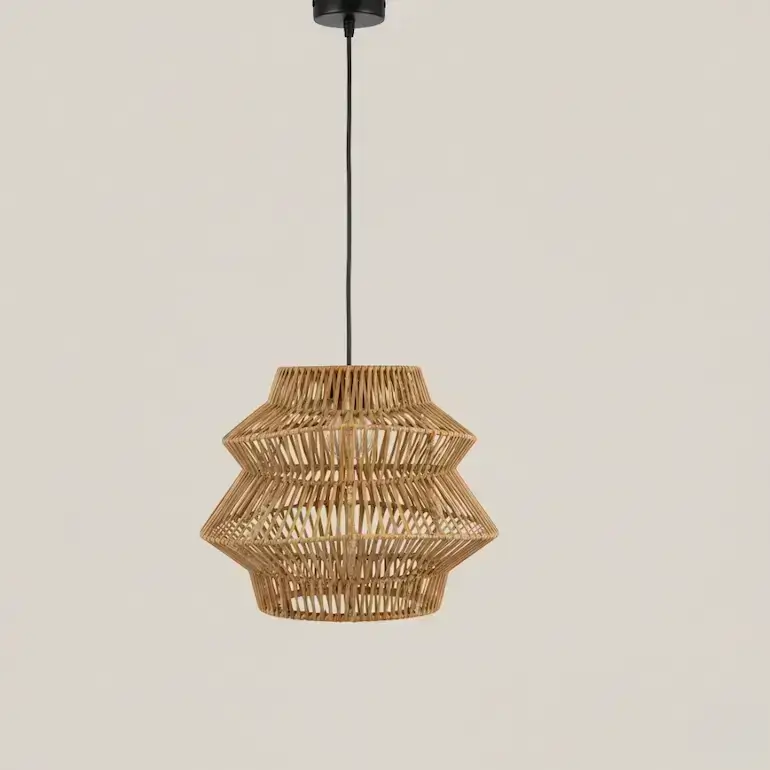
lighting with woven rattan pendant light in cafe
Why Ambient Lighting Is So Popular in Restaurants and Cafes
DUBAI, AL MANARA, UNITED ARAB EMIRATES, February 10, 2026 /EINPresswire.com/ -- In recent years, lighting in restaurants and cafés has evolved from a purely functional element into an integral part of spatial design. Rather than serving only to illuminate a room, lighting now helps shape how a space is perceived and used. Ambient light, in particular, plays a significant role in defining comfort levels, guiding movement, and supporting the overall atmosphere of hospitality interiors.Lighting influences how people experience a space almost immediately. Upon entering a restaurant or café, guests subconsciously assess whether the environment feels welcoming or uncomfortable. Factors such as brightness, color temperature, and light distribution contribute to this first impression. Soft, diffused lighting is often preferred because it reduces visual strain and creates a calmer environment compared to harsh overhead illumination.
The Function of Ambient Lighting in Hospitality Spaces
Ambient lighting provides a base layer of illumination that allows guests to navigate a space comfortably. In hospitality settings, this type of lighting is rarely used alone. Instead, it is combined with other layers to achieve both functional and aesthetic balance.
A commonly used structure includes:
General lighting for overall visibility
Zonal lighting to define seating areas, bars, or walkways
Accent lighting to highlight architectural details or artwork
Decorative lighting to add visual interest and identity
This layered approach allows lighting conditions to adapt throughout the day, supporting different uses of the same space without structural changes.
Why Soft Lighting Is Often Chosen Over Bright Illumination
Bright, uniform lighting can be effective in workplaces or retail environments, but in restaurants and cafés it often feels impersonal. Strong overhead light can emphasize imperfections in interiors and make spaces feel exposed. In contrast, ambient lighting creates softer transitions between light and shadow, which tends to feel more natural and less fatiguing for the eyes.
From a behavioral perspective, softer lighting is associated with slower pacing and longer stays. Guests are more likely to remain seated, continue conversations, or order additional items when the environment feels relaxed rather than clinical.
Emotional Perception and Visual Comfort
Lighting also affects how people perceive themselves and others within a space. Diffused light minimizes harsh shadows, creating more even illumination on faces and surfaces. This contributes to a sense of comfort and can positively influence how guests remember their experience.
In an era where social media is closely tied to hospitality experiences, lighting that supports natural-looking photos without excessive contrast has become increasingly relevant. However, beyond photography, the primary benefit remains visual comfort and emotional ease.
Practical Considerations for Restaurants and Cafés
Beyond atmosphere, lighting decisions also have practical implications. Adjustable systems with dimmers allow spaces to transition from daytime use to evening service efficiently. Lower light levels can also reduce the visibility of minor wear in interiors, which is especially useful in high-traffic environments.
Staff comfort is another factor that is often overlooked. Excessively bright or uneven lighting can cause eye strain during long shifts. Well-balanced ambient lighting helps create a more sustainable working environment, which indirectly affects service quality.
Lighting Styles in Contemporary Hospitality Design
Different lighting styles support different concepts. There is no single solution that works for every venue; the effectiveness of lighting depends on context, audience, and spatial layout.
Natural and Boho-Inspired Lighting
Boho-inspired lighting often uses natural materials such as rattan or raffia. These materials filter light in irregular patterns, creating textured shadows and a warmer visual effect. This approach is commonly used in casual cafés or relaxed dining spaces where informality and comfort are part of the concept.
Larger fixtures such as Gabriella Large are sometimes used as focal elements above bar areas or communal tables. When grouped or suspended at varied heights, pendant lights can help visually organize a space without physical partitions.
Modern and Minimalist Approaches
Modern lighting emphasizes simplicity, clean lines, and controlled light output. Fixtures in this category are designed to blend into the interior rather than draw attention to themselves.
Models like Adrianna Medium are often selected for contemporary cafés or restaurants where lighting is intended to support the architecture and layout without becoming a dominant visual feature.
Decorative Ceiling Lights as Spatial Markers
Decorative ceiling lights can function as visual anchors within a room. A single statement piece or a structured grouping of pendants can define zones such as dining areas or entrances. These elements help guide movement and establish hierarchy within open-plan layouts.
When selecting from a collection of pendant lights, it is important to consider not only appearance but also light distribution, scale, and suspension height. Decorative fixtures must work in balance with ambient lighting to remain functional.
Regional Considerations: Dubai and the UAE
In Dubai and across the UAE, expectations for interior quality are particularly high. Lighting is often expected to perform well both visually and technically, especially given local climate conditions such as heat and humidity. Materials and finishes need to maintain their appearance over time, even in demanding environments.
Lighting styles in the region often combine modern minimalism with references to natural textures and handcrafted forms. This blend reflects both international design trends and local preferences.
Key Factors When Choosing Lighting
Selecting lighting for a café or restaurant involves balancing several variables:
Room size and layout
Ceiling height
Concept and positioning of the venue
Target audience
Operational budget
Common issues include relying on a single light source, neglecting dimming options, or installing fixtures at unsuitable heights. Thoughtful planning helps avoid these problems and ensures lighting supports both function and experience.
Closing Perspective
Lighting is not an isolated design choice but part of a broader system that includes interior design, service flow, and guest behavior. When planned carefully, ambient lighting contributes to comfort, clarity, and cohesion within hospitality spaces. Rather than focusing on trends alone, successful lighting design considers long-term usability and adaptability.
Carol Sukkar
Home and Soul Furniture Trading LLC
+971 56 112 1444
email us here
Visit us on social media:
LinkedIn
Instagram
Facebook
X
Legal Disclaimer:
EIN Presswire provides this news content "as is" without warranty of any kind. We do not accept any responsibility or liability for the accuracy, content, images, videos, licenses, completeness, legality, or reliability of the information contained in this article. If you have any complaints or copyright issues related to this article, kindly contact the author above.
